
She Was Beautiful
Elegant to the very end

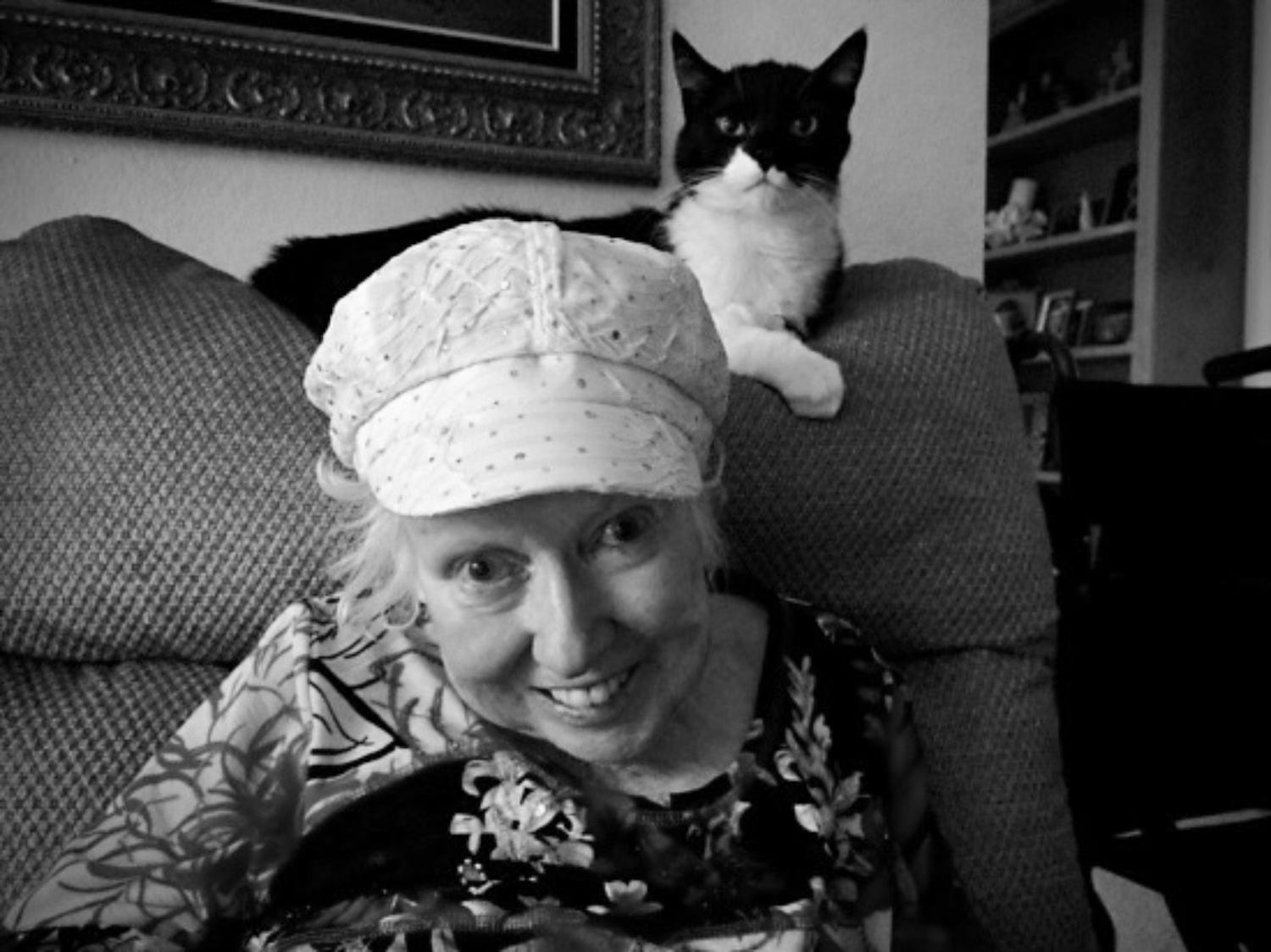
Irma Hincenbergs had the softest hands and gentlest touch I’ve ever known. Even her voice, with its Latvian accent and smooth register, was soothing and warm.
During piano lessons she’d sit beside me, turning music pages and repositioning my fingers and admonishing me to press the porcelain keys with soft, expressive connections.
“Never pound, Johnny,” she’d say. “Softly, as if petting a humming bird.”
Sometimes she’d reposition on the bench to face me, hold my fingers in her silklike hands, and get lost reminiscing about the old country. All of which lulled me into a trance.
Her hair was white as snow, eyes a penetrating blueish gray, and aging Baltic features reminiscent of the soft folds on an apple doll’s face.
Mrs. Hincenbergs (that’s how I always addressed her) knew I liked to draw cartoons, and that my parents didn’t have a newspaper subscription. So she’d cut editorial cartoons from the papers and collect them each week in a little tin box. Fridays, after my hour long piano lessons where I’d butcher Claire de Lune and other classical selections, she’d admonish me to practice more. Then, despite my erratic performances every week, she’d reward me with a pile of cartoons.
Mrs. Hincenbergs wore drab, nondescript, matronly dresses. Her fine white hair always pulled together in a tight bun. No jewelry or makeup. She must have been in her early eighties.
And she was beautiful.
My mother was beautiful, too. In her twenties she worked as a Barbizon model in New York City, where her petite frame and long blonde hair caught the attention of many admirers. One admirer, a young Wall Street businessman riding the train, struck up a conversation with her. They fell in love, married, and eventually settled in Northern California.
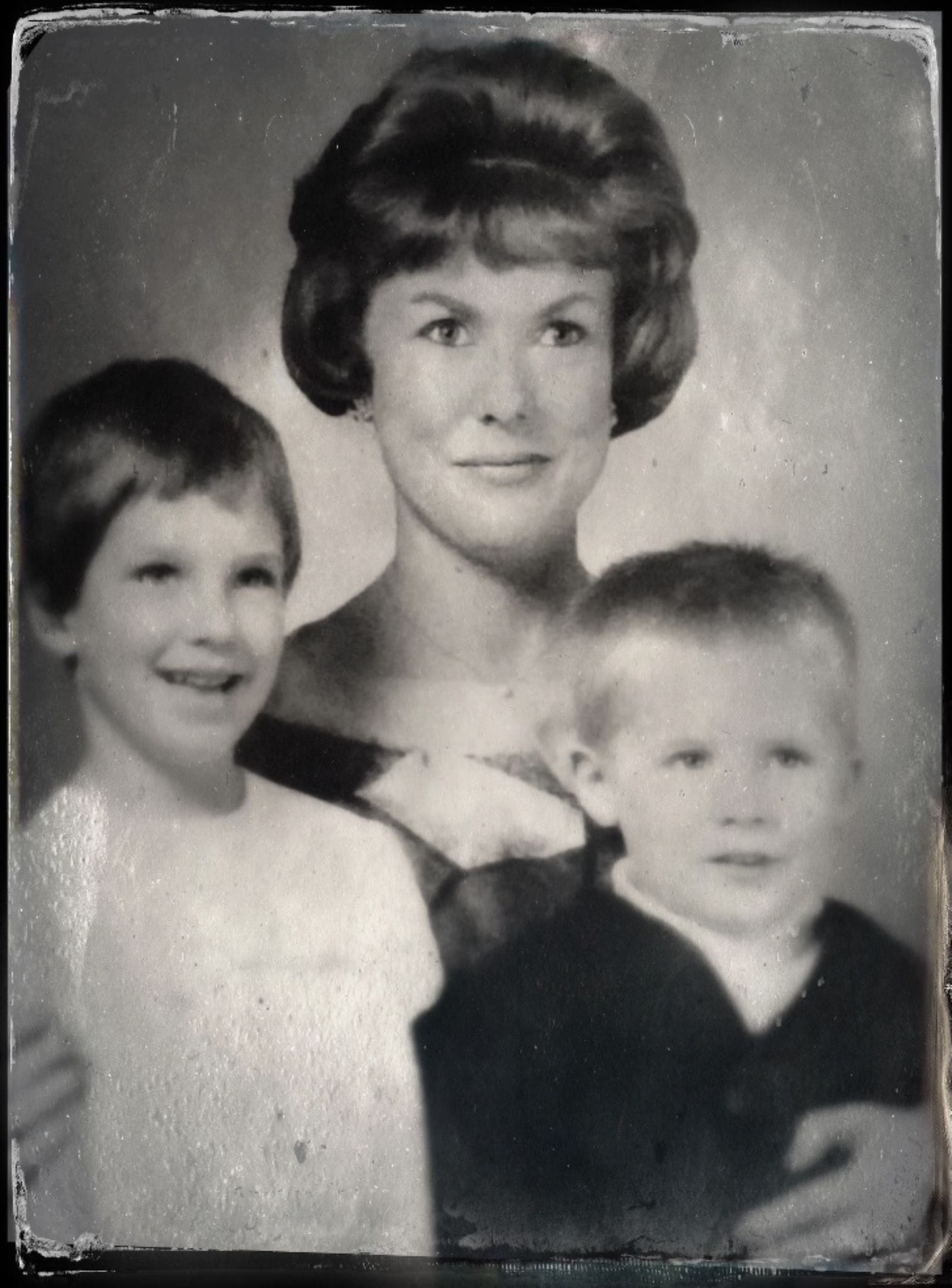
My sister and I came along a few years later, and thus our lives intertwined and seasons changed. I had a front row seat in the many stages of my mother’s aging. She dressed elegantly and remained attractive through the decades.
But then the first days of invisibility arrived, and with them the unwelcome recognition that time spares no one. Mom complained about her weight, the gray in her hair, and the inevitable lines and sags in her face. The mirror no longer held that Barbizon model of her youth.
The author Akiko Busch, in her book How to Disappear: Notes on Invisibility in a Time of Transparency, wrote:
“The invisible woman might be an actress no longer offered roles after her fortieth birthday, the fifty-year-old woman who can’t land a job interview, or the widow who finds her dinner invitations declining with the absence of her husband. It might be an older woman in a restaurant who is ignored by the waiter, unable to get a glass of water when she sits down at the table, or later, the check when she is ready to leave. When she pays for a purchase in a store, a cashier might call her ‘honey.’ She is the woman who finds that she is no longer the subject of the male gaze, youth faded, childbearing years behind her, social value diminished.”
My mother surely experienced these wounds that accumulate over time, yet she never showed it.
Virginia Woolf’s Clarissa Dalloway came to recognize when the blossom of youth fades and beauty evolves into something else:
“She had the oddest sense of being herself invisible; unseen; unknown; there being no more marrying, no more having of children now, but only this astonishing and rather solemn progress with the rest of them, up Bond Street, this being Mrs. Dalloway; not even Clarissa anymore; this being Mrs. Richard Dalloway.”
I don’t know if my mother read Mrs. Dalloway, but she’d likely recognize parts of herself in the novel.
Sometime in her sixties, a minor twitch in my mother’s left finger would bring greater indignities. She was stoic when the doctors said Parkinson’s, and thankfully the disease unfurled slowly over the years.
But eventually it stole her ability to walk. To bathe unassisted. To hold a book. Or even feed herself.
Many would have turned bitter and angry.
But Mom accepted her disability with grace and elegance. She remained a fashion plate, dressing elegantly and wearing her best jewelry. She engaged everyone in spirited conversations about politics, golf, books, and life’s ups and downs. Always with a positive attitude and frequent laughter.
The day Mom died in my arms as I gently whispered, “I’ve got you,” I noticed she was wearing a delicate, white, bowtie barrette in her silver white hair. Elegant to the very end. And not long after her last breath, as the hospice nurse and assisted living staff consoled me, someone said:
“She was beautiful.”
Of course there have been many other beautiful older women in my life.
We’ve all been blessed with grandmothers and in-laws and mentors and friends of a certain advanced age, beyond the superficial charms of youth and good looks. Burnished by time and life’s slings and arrows into a kind of sophisticated elegance.
In a recent New York Times essay about aging women titled One Can Get This Beautiful Only With Time, the author Roger Rosenblatt wrote:
“What is the secret here? What do old ladies have that sets them apart? I think it’s fierce hope. They look at problems, all problems, and they say: I can handle this. They look at their families or at the country and ask: What can be made better? I have seen men grow sullen and depressed in old age. I have never known a woman who was sorry for herself.”
That last line could have been written about my mother. And Mrs. Hincenbergs, who lost nearly everything (including her home) when she and her husband fled Latvia during the Soviet invasion. She had plenty to be bitter about, but all she ever expressed was gratitude for her life in America.
Rosenblatt ended his essay with:
“Behold them, will you, as they glow in the dark. The hair gone white. The careful step. The archipelago of age spots. The blue veins in the hands. The folds in the neck. The crack in the voice. Takes your breath away.”
Mother’s Day is approaching. Another chance to say I love you, and buy flowers, cards, and gifts for all the wonderful mothers in our lives.
But most of all, let’s not forget the old ladies with white hair and hard-earned wisdom. Make extra time for them. Ask to hear their stories. Marvel at all they’ve achieved.
Look for the eternal light in their eyes.
Because one day, the light will go out. You will feel deep loss. But even then, you will find yourself saying the truest of words. Words that will resonate years after she’s gone.
She was beautiful.
Before you go
This journal continues because a few readers quietly support it. If these pages matter to you, a small one-time gift below helps keep the work going. Thank you for reading.
Subscribe to Weiss Journal.
Visit my Noticings.
Yes, still crying from your heartfelt ❤️ story of beautiful older women in your life. As an older woman myself, who never had children, may I be lucky enough that someone will remember me with that love!
This is beautiful.