
The Garden We Carry
Even now, late in the season, the soil remains willing

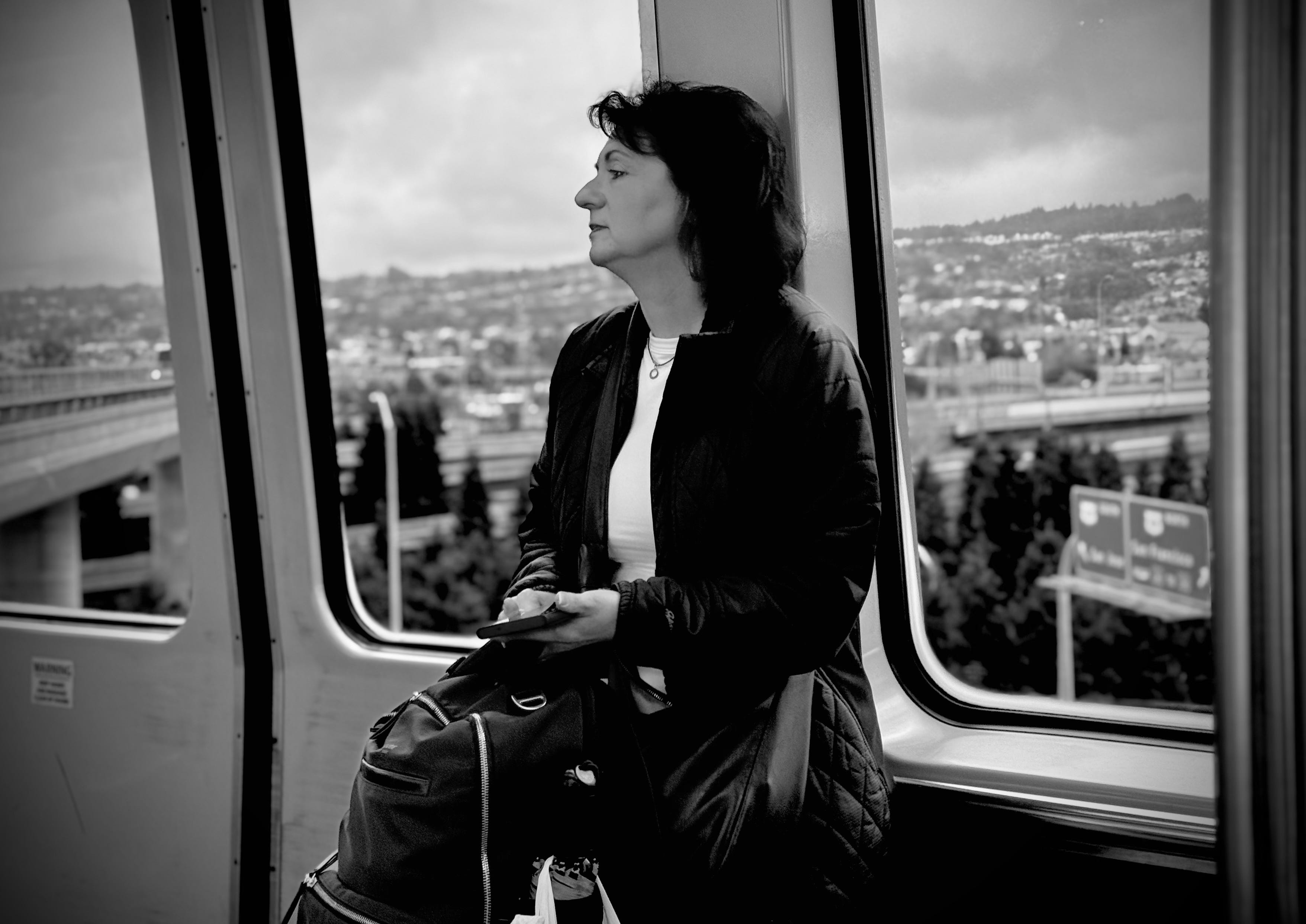
I watched a woman on the airport tram during a recent trip to San Francisco.
She stood near the window, the city sliding past in a gray blur. Her hands rested on her bag. She was not looking at her phone. Not scanning the advertisements overhead. She seemed to be looking somewhere else entirely.
Inward.
There is a way the face settles when someone drops beneath the surface of themself. The muscles soften. The eyes fix on nothing in particular. It is not sadness. Not distraction. It is a kind of pleasant descent.
I have been doing more of that lately.
George Will once wrote that memories are roses in our winter. I have always liked that line. It suggests that the past is not merely something we once endured but a fragrant gift when today’s air grows stale.
Of course, some people warn us not to live in the past. We are told that if we dwell too long in yesterday we will miss today entirely.
But is that always true?
After the San Francisco trip, my wife and I stopped at a garden center. In the back rows, among the rosemary and lavender, I saw an older man moving slowly among the plants and flowers.
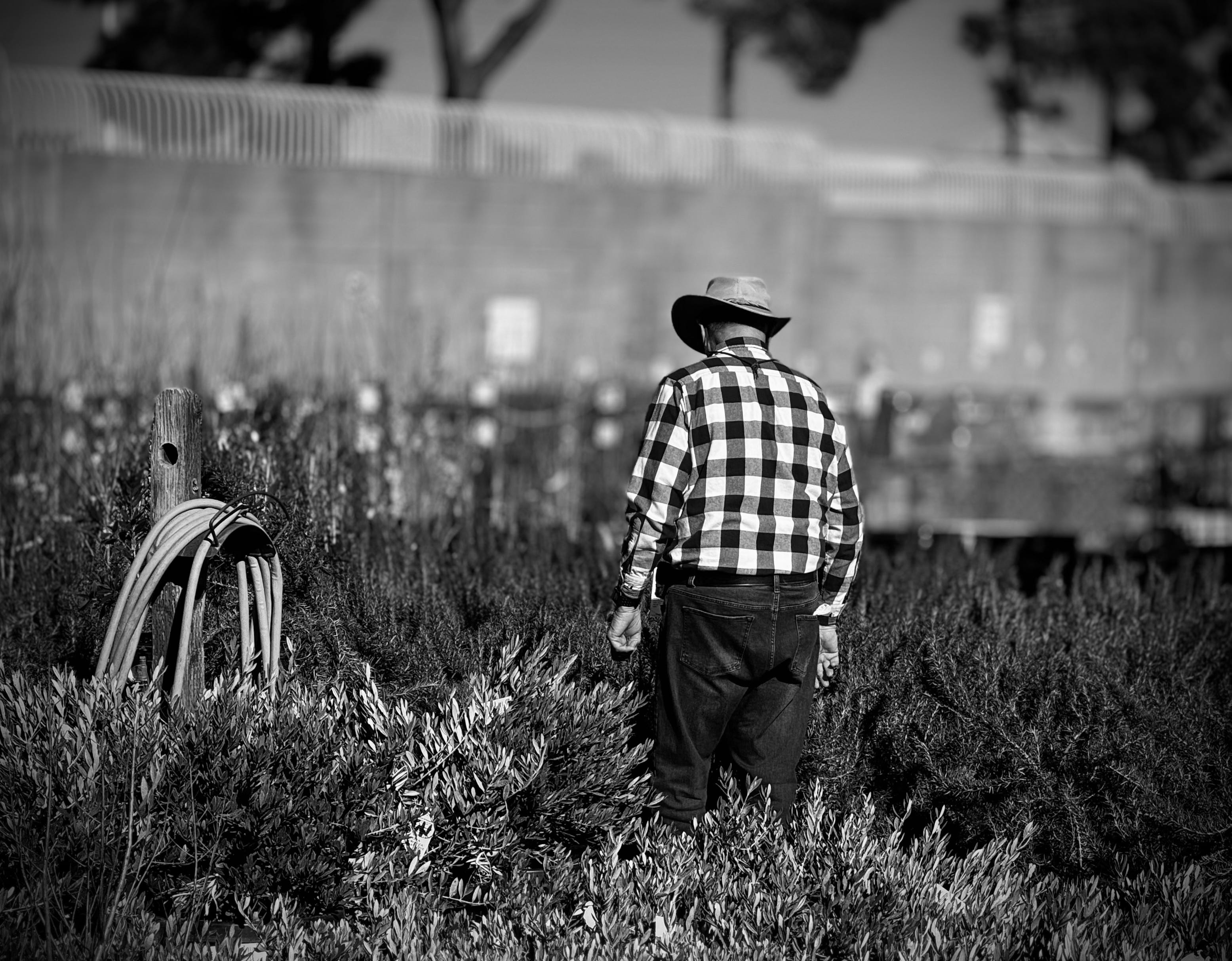
He bent over here and there, running his rough fingers across the leaves as if he were reading braille. His touch was careful, almost reverent.
He did not seem to be shopping. He seemed to be remembering.
Perhaps he once had a garden of his own. Maybe he planted bulbs with someone who is no longer beside him.
I do this sometimes.
I invent stories about the people and places I witness. But their observed truth always informs my imagination. I do not know the backstory of that man in the garden center, but I do know that he touched those plants with tenderness. And that tenderness came from somewhere.
Gardening is an act of faith.
You place something small into the earth and wait. T. S. Eliot wrote of breeding lilacs out of the dead land. Even in wasteland there is the stubborn insistence of life.
Maybe the woman on the tram was tending something similar. A memory. A regret. A love that has changed shape but not entirely disappeared.
Each of us carries an unseen garden.
Seasons pass within it. Some corners are bright and newly planted. Others lie fallow, holding what once bloomed. We walk through it quietly. Sometimes we kneel and touch what remains. Sometimes we clear a small space and begin again.
I find great peace and sustenance there.
The past is not simply something to revisit. It is soil. It holds what has grown before, what has withered, what has taken root and refused to die. It carries both nourishment and debris. We do not choose the weather that shaped it. But we do decide what we plant next.
There is danger in neglecting the garden.
Untended soil hardens. Weeds take hold. Memory, left unattended, can sour into regret. But tended soil stays open.
There is much to be said for solitude. Solitude is the quiet hour in the garden. The moment when we kneel, turn the earth, and consider what might grow here still.
As I age, I do not mind these descents.
I do not feel lost when I wander there. I feel acquainted. Accompanied by the boy I was, the police officer I became, the man who now reads and writes and notices.
The visible life goes on.
The tram arrives. The cashier asks if we found everything we needed. The day moves forward. Beneath it, something continues to root.
We carry our winters with us.
But we also carry seeds. Even now, late in the season, the soil remains willing.
And that is reason enough to keep tending the garden.
Before you go
This journal continues because a few readers quietly support it. If these pages matter to you, a small one-time gift below helps keep the work going. Thank you for reading.
Subscribe to Weiss Journal.
Visit my Noticings.

Your writing is gentle, beautifully descriptive, and always thought provoking. This article did not disappoint. Thank you always for your insightful words.
Our past experiences are often fertile ground to re learn and reinforce what life has taught us. Over the years I’ve re visited some places where I spent significant parts of my past, like my old university, halls of residence and boarding school, and it always leads me to re examine those times. It’s like going back and re reading a chapter of a favourite book. As we get older, there is often a bit more to learn from what we’ve done, but no matter how often we read that chapter of our life again, we can’t change it. The feeling of wasted opportunities or just not being really aware of what we were doing back then, still exists, but we have to learn to live with that feeling. That’s all helped to make us who we are, and there’s only one way to get experience, and that’s to try things, make mistakes and learn. And that attitude is true regardless of where we are and how old we are. Thanks John for your thought provoking writing.