
Let It Pass Through You
Sullen faces and small graces

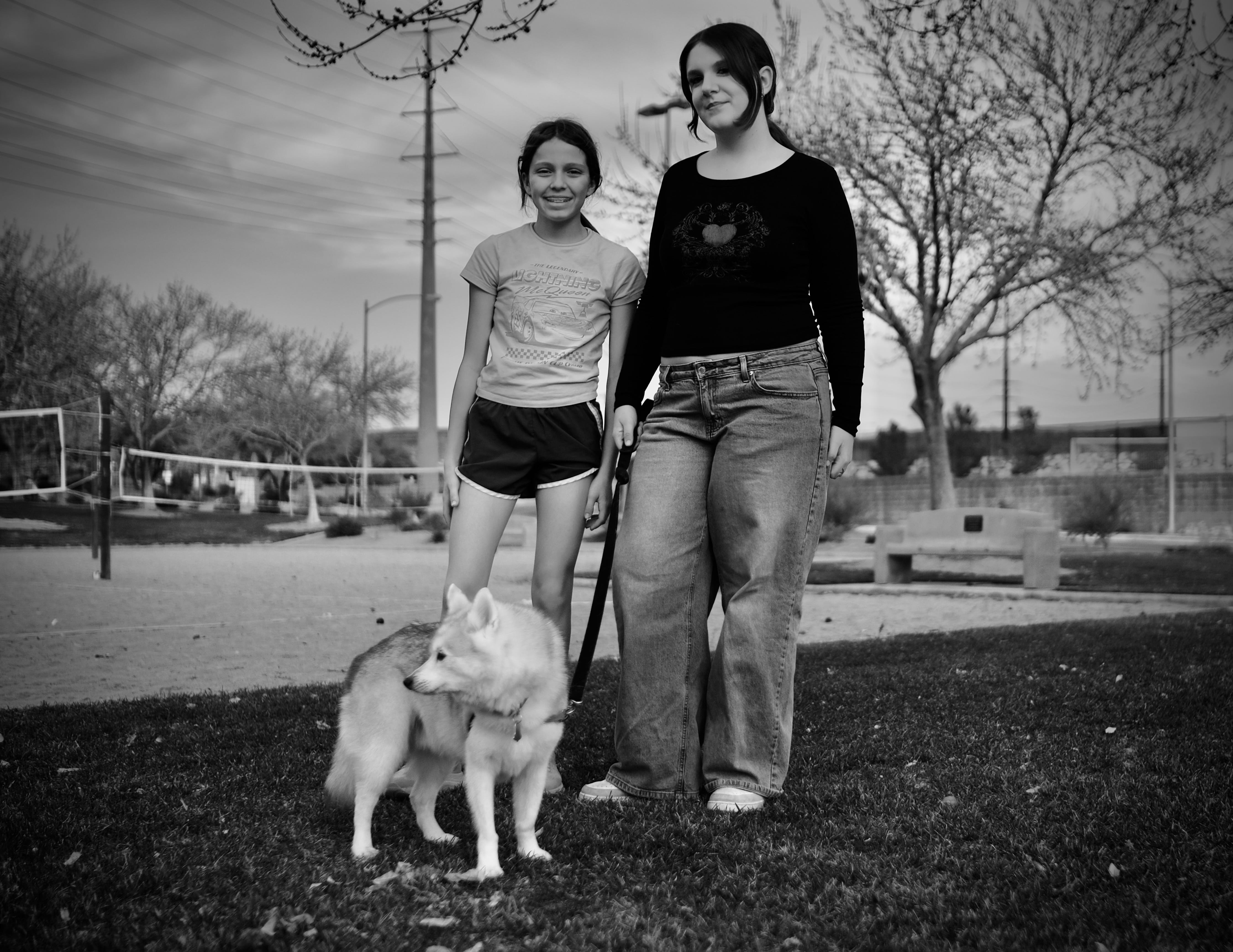
Bruce and I ambled into the coffee shop like we do most every Wednesday and stood at the front counter. The usual crowd was there. Hipsters and high schoolers and coders glued to their laptops and lattes.
The two young women behind the counter chatted with one another, oblivious to our presence, or perhaps just choosing to ignore us. One laughed and her nostril ring caught the sunlight coming through the windows. The other turned her back to us, revealing an array of animal tattoos just above the edge of her tank top.
Eventually one of them sauntered over.
“What can I get you?” she said quietly, offering little eye contact. We gave our orders and she flipped the screen around for me to see the total and, more importantly, the tip options.
The tip. That perfunctory step at the end of nearly every transaction.
No greeting when we entered. Ignored while they finished their conversation. Even the act of ordering felt like we were interrupting something more important. I don’t know why I selected 20 percent. Maybe I thought it might lift her mood, that somehow the service might follow.
It didn’t.
Bruce and I waited while the two behind the counter resumed their conversation and then called out to one of the young fellows working by the roasting machine for his opinion. He said something back and all three laughed.
Eventually our drinks came.
I complimented the young woman on the artfully drawn foam leaf atop my coffee, but she said nothing and walked away. Bruce and I sipped our coffee, shared a pastry, and talked about the things old men talk about. Travels, health, money, and the latest movies we’d seen. Bruce excused himself to the men’s room and I sat quietly sipping my coffee.
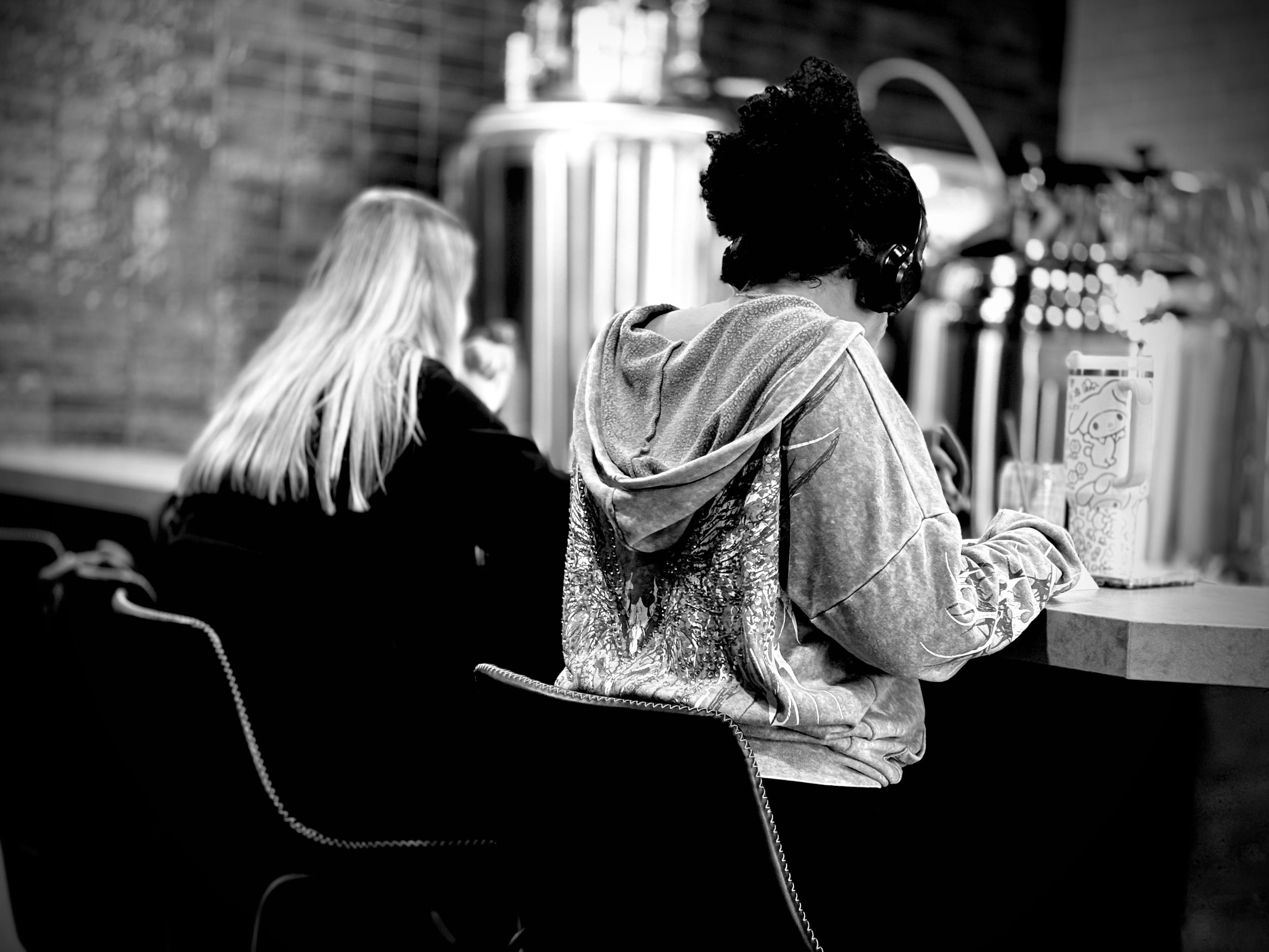
Two high school girls sat nearby, scrolling their phones.
One spoke about a boy at school, her words laced with profanity. The other agreed, adding her own commentary about a teacher or another girl. I tried not to listen, but it was difficult not to hear.
When Bruce returned, I found myself drifting into memory, talking about our days at the department and the relative simplicity of small town life. It reminded me of my time as a juvenile detective, teaching safety programs to fifth graders.
They were good kids.
At recess they would grab my hands and pull me toward the playground for tetherball and games. They told jokes and laughed so hard they would spit out half their peanut butter and jelly sandwiches. By the end of the day, I would find dried flecks of it on my uniform.
Even the high schoolers back then seemed, on balance, good natured and engaged. There were always a few angry ones, but most were a pleasure to be around.
When Bruce and I got up to leave, we carried our mugs and plate back to the counter. The two behind it watched. “Thanks, ladies,” I said.
“See you,” one replied in a flat voice.
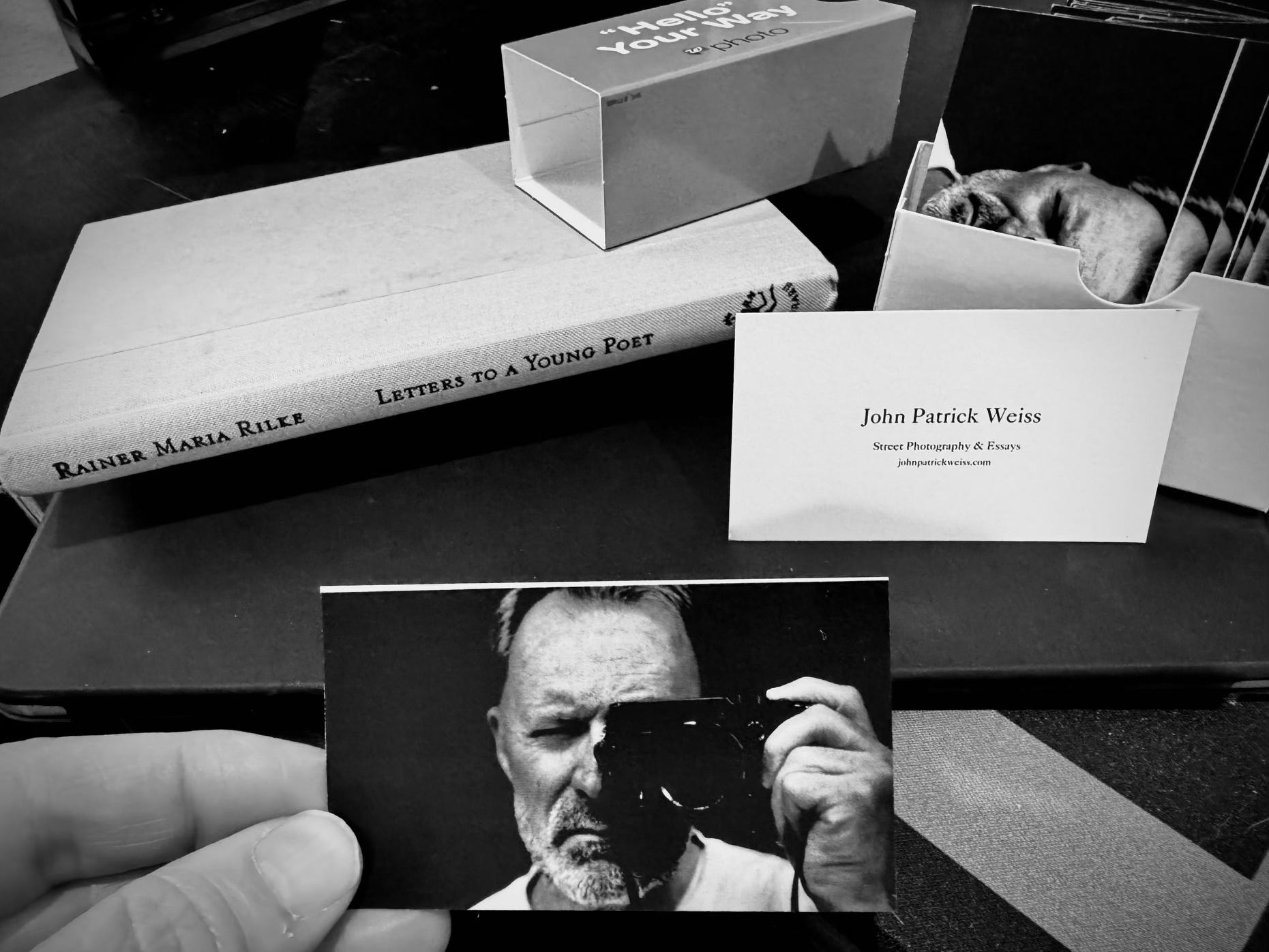
Later that day I went online to order business cards.
I used the Walgreens app, as there are several stores in my area. The closest location showed a weeks long delay, likely due to staffing, so I chose another store across town with a 4 p.m. pickup.
I had time to kill and found myself returning to the morning. The girls, the language, the indifference. The subtle sense that something was off.
What is this a reflection of? A lack of hope? A quiet resignation? Parents who failed them?
Or something broader, something harder to name? The steady drip of social media, the comparison, the performance, the sense that nothing is quite real or quite enough.
I wondered what might happen if their teachers had them write poetry. Poetry as a way to make sense of things, to name what aches, to discover what is still alive inside them.
Rilke wrote in Letters to a Young Poet:
“You have had many sadnesses, large ones, which passed. And you say that even this passing was difficult and upsetting for you. But please, ask yourself whether these large sadnesses haven't rather gone right through you. Perhaps many things inside you have been transformed; perhaps somewhere, someplace deep inside your being, you have undergone important changes while you were sad. The only sadnesses that are dangerous and unhealthy are the ones that we carry around in public in order to drown them out with the noise; like diseases that are treated superficially and foolishly, they just withdraw and after a short interval break out again all the more terribly; and gather inside us and are life, are life that is unlived, rejected, lost, life that we can die of.”
If only those young people understood, and maybe they will, that sadness must pass through us if we are to deepen, to grow, to become something more than our worst moods.
If we repress it, we risk caging the bluebird, that fragile and essential part of ourselves that longs to turn pain into something beautiful. Bukowski understood this.
I hope they come to understand it too.
My phone buzzed with a text alert that my cards were ready.
The Walgreens was unfamiliar and a little run down. Debris scattered the entry carpet and no one stood at the front register. A voice called from the back, directing me to the photo department.
The young woman there took my name, found the order, and told me the total without looking up. Then she shouted past me to a coworker, greeting him loudly as he approached. The two began talking and laughing about something work related as if I were not standing there.
I swiped my card, took the receipt, and left, wondering briefly if anyone was in charge. Judging by the condition of the store and the tone of the place, I doubted it.
I try not to get like this.
I try not to see the world as quietly unraveling, because I know better. I know there are good people and good moments, and that youth has always carried confusion and rough edges.
Still, sometimes it feels different.
I should have checked the cards before leaving.
When I got home and opened the box, I saw that the top edge of each card had been cropped poorly, leaving a thin white line, and the font on the back, which had looked fine on screen, was tiny and hard to read.
I shook my head and decided to take my dog to the park.
Nanuk is sixteen now. He is deaf and missing teeth, with a failing pancreas and a tremor in his back leg. He does not complain. He takes each day as it comes, and park days are his favorite.
We walked slowly as he stopped to sniff everything. Grass, trees, bushes, the faint scent of a distant barbecue drifting on the air. There was a breeze and fading sunlight, and I felt something in me settle.
That is when I heard a voice.
A young girl saying she liked my dog. Two girls approached, and the older one asked if they could pet him. I told them his name and they knelt beside him, smiling. One of them said he was beautiful, and Nanuk leaned into the attention as if he had been waiting for it all day.
I had my camera with me, as I usually do, and asked if I could take their picture with him. They agreed, and after I snapped the photo, they thanked me politely and walked toward the playground.
And there it was.
The other half of it. The part that is easy to miss if you are not paying attention. The grace that waits just beyond irritation and disappointment.
Rilke’s words came back to me, about sadness passing through us, about what it can change within us if we allow it. There will always be sullen teenagers in coffee shops, poor service, broken systems, and small frustrations that accumulate if we let them.
But these things are not the whole story.
If you let them pass through you, if you refuse to let them settle and harden, something else reveals itself. Just when you think the world is dimming, two young girls will stop and smile and ask to pet your dog.
The dog will wag his tail. They will laugh. And for a moment, everything will feel as it should.
And you will remember that there is still grace in this world.
Before you go
If these essays speak to you and you’d like to support the work, you can make a one-time gift below. I’m grateful for your interest and support.
Subscribe to Weiss Journal.
Visit my Noticings.
Loved this essay as usual, the hopefulness of it. Loved the Rilke quote.
Yesterday, I spent a few hours with an old friend from out of town who’s staying in the hotel attached to MD Anderson Cancer Center. I washed her clothes in the laundromat downstairs. I had the best time going up and down in the elevators as I messed with the clothes. My fellow elevator riders were friendly even though we were all in the same sad boat…stuck in a cancer hospital on a beautiful Saturday afternoon. No one rode silently, eyes to the ground, as you might expect. Instead, every single person spoke kindly, eager to engage and connect. The experience opened my heart like a garage door opener.
Been here myself a few times. I'm grateful for a wife I get to rant to when I am just generally dismayed by the state of the world. "People just don't care anymore!" "There is no love for craft!" Then we both quietly muse that maybe this is what it feels like to get older, to drift toward irrelevance, holding onto your way of day things, while the world keeps moving in its own direction, and you have to decide how far behind you are willing to be left. I appreciated, John, how you turned the attention back on yourself, that your advice from Rilke was for you. I always appreciate that about you. All we are ever really doing is projecting onto the world what we are somehow noticing within ourselves. And the world just keeps doing what it does. Sorry about the cards, though. :/